
printed circuit boards manufacturers ensure precision
Precision is one of the most critical aspects of printed circuit boards (PCBs), as even the smallest deviation can result in a malfunctioning electronic device. Printed circuit boards manufacturers place a significant emphasis on precision throughout the entire production process to ensure the boards meet the exact specifications required by their customers. Achieving this level of accuracy requires advanced technologies, rigorous quality control processes, and highly skilled personnel. From the initial design to the final assembly, several steps are taken to guarantee that every PCB is produced with the utmost precision.
One of the first ways that printed circuit boards manufacturers ensure precision is through the use of computer-aided design (CAD) software. CAD tools are employed to create detailed layouts of the PCBs, allowing manufacturers to visualize the placement of components, traces, and vias in the design. These software programs provide a platform for engineers to meticulously plan the board’s structure, optimizing space, signal integrity, and manufacturability. CAD systems are capable of generating Gerber files, which serve as the blueprint for the manufacturing process. These files contain the precise measurements and specifications required for each layer of the PCB, ensuring that the production process follows the exact design parameters.
Once the design is finalized, printed circuit boards manufacturers use photolithography techniques to transfer the circuit patterns onto the board. This process involves applying a photosensitive layer to the board, followed by exposing it to light through a mask that contains the design pattern. The areas of the board exposed to light undergo a chemical reaction, while the unexposed areas are removed, leaving behind the circuit pattern. This process requires a high degree of precision, as even the smallest misalignment of the mask or the light source can result in errors that compromise the functionality of the PCB.
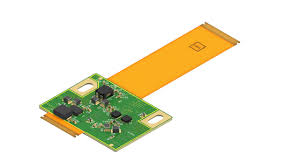
How do printed circuit boards manufacturers ensure precision?
Automated machinery plays a key role in ensuring precision during the manufacturing of PCBs. Printed circuit boards manufacturers use high-precision automated drilling machines to create holes for components and vias. These machines are guided by the CAD files to ensure that holes are drilled at the exact locations specified in the design. Similarly, automated pick-and-place machines are used to place components on the board with a high degree of accuracy. These machines are equipped with vision systems that allow them to detect the position of components and adjust placement in real time, ensuring that each component is placed precisely where it needs to be.
Another method used by printed circuit boards manufacturers to ensure precision is through the use of advanced inspection and testing technologies. Automated optical inspection (AOI) systems are employed to check the surface of the PCB for defects such as misaligned components, soldering issues, or incorrect trace patterns. These systems use high-resolution cameras to capture detailed images of the board and compare them to the original design files. If any discrepancies are found, the system alerts the manufacturer, allowing them to address the issue before the board moves on to the next stage of production. For multilayer PCBs, X-ray inspection is used to examine the inner layers of the board, ensuring that vias and internal connections are intact and properly aligned.
Additionally, printed circuit boards manufacturers perform electrical testing to verify the functionality of the final product. This includes checking for short circuits, open circuits, and verifying that all components are working as intended. By conducting these tests, manufacturers can catch any issues that may have been missed during the earlier stages of production and ensure that the board will perform reliably in the end-use application.
In conclusion, printed circuit boards manufacturers employ a variety of methods to ensure the precision of their products. From using advanced CAD software and photolithography to automated drilling and component placement, these technologies help create PCBs that meet the exact specifications required by their customers. Additionally, rigorous inspection and testing procedures ensure that the final product is free of defects and functions as intended. By incorporating these precise manufacturing practices, printed circuit boards manufacturers can produce high-quality, reliable PCBs that are essential for modern electronic devices.


