
RF PCBs Are Used in Satellite Communications
RF boards are used in satellite communications, GPS, and weather tracking to handle high-frequency signals that travel over long distances. These PCBs require specific materials that have the ability to transmit and receive radio frequency signals without interference or signal loss. The material must also have the right dielectric constant and low dissipation factor to allow for a smoother signal flow. In addition, it must have a high thermal conductivity so that heat isn’t transferred from one part of the board to another during operation.
In order to produce an rf board, the copper is etched and holes, called vias, are drilled into it. These steps must be carried out with great precision to ensure that the RF signal is transmitted correctly. Manufacturers use specialized equipment to test the impedance of the board to ensure that it is properly aligned and won’t interfere with the signal.
The materials used in a RF board must be able to support high-frequency operations, as well as withstand environmental vagaries. Traditional glass epoxy FR-4 materials, which are normally used in PCBs, have high losses and do not provide the needed performance for RF signals. Other important properties of RF circuit boards include their chemical and thermal properties, as well as their resistance to radiation and high temperatures.
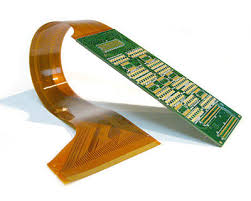
How RF PCBs Are Used in Satellite Communications
The ideal RF PCB material should have a low dielectric constant and loss tangent. These properties help minimize the skin effect that occurs as a signal frequency increases. It should also have a low moisture absorption rate, as humidity can negatively impact RF signal transmission. The material should also be able to handle a wide range of operating temperatures, as well as have a low coefficient of thermal expansion.
RF PCB manufacturers must pay close attention to the layout of components on a circuit board. This involves minimizing signal trace lengths, reducing vias and loops, and routing them away from high-speed digital lines and power planes to reduce noise. In addition, RF circuits should be grounded to eliminate interference and signal loss.
RF circuit boards are complex, but they can be designed to meet the needs of any application. The best way to create a reliable RF PCB is to work with an experienced RF design engineer. This will help avoid costly mistakes that can affect the performance of a circuit. They can also advise you on how to select the appropriate materials and assembly methods for your RF circuits.
The resulting board will be able to handle the most demanding applications. Using a high-quality RF circuit board is essential to ensure that your satellite communication system works well, no matter what the application. This is especially true for space-bound satellite systems that need to communicate with the earth’s surface and other satellites in orbit. The RF board ensures that the data is received reliably and accurately, even in harsh conditions. This helps ensure that your satellite systems can deliver the real-time data your customers need for navigation, weather forecasting, and satellite communication.

