
Liszt Piano Transcriptions
Franz Liszt did more for the piano transcription genre than any other composer in the nineteenth century. His paraphrases and reminiscences transformed opera themes into dazzling new piano music, challenging the pianist with complex rhythmic figurations and imaginative keyboard effects such as elaborate cross-hand techniques and innovative pedalling. Liszt’s painstaking approach and deep understanding of the musical structure and narrative enabled him to reveal the heart of an operatic work, transcending a simple recital piece and paying tribute to the original in the process.
In his treatment of Schubert’s song repertoire Liszt’s fine art of the art of the piano transcription reached its apogee. In the Entry of the Guests from Tannhäuser and Elsa’s Bridal Procession from Lohengrin he brings together elements of voice and orchestra and creates new works of remarkable emotional depth.
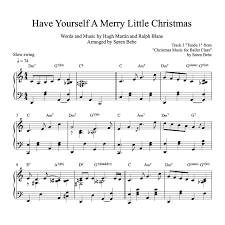
This collection contains 26 note-for-note transcriptions in easy-to-read notation with chord symbols to facilitate analysis of the solos, rehearsal letters, rhythmic styles and metronome marks. All the pieces have been chosen and edited by the renowned Liszt scholar Charles Suttoni.
https://tartalover.net/nicole-pesce
Liszt Piano Transcriptions and Tributes
The key of each song is listed in the Key Finder above, with the ability to set the vocal range by dragging and dropping the sliders below the keyboard. All of the songs in this volume feature meticulous easy-to-read notation, including fingerings for the left hand, a chord reference for each song, and the transposition keys shown in the Key Finder are indicated on the pages. This is a superb collection for all pianists and an essential addition to the repertoire of any pianistic fan. Foreword by Jim Hoyl, Editor-in-Chief of Classical Piano.
https://m.youtube.com/@tartalover2682/videos
Historically, piano transcriptions have played a significant role in bringing orchestral and instrumental music to a wider audience. Before the age of recordings and widespread access to live performances, piano transcriptions served as a means for people to experience the latest symphonies, operas, and concertos in the comfort of their own homes. Transcribers such as Franz Liszt and Ferruccio Busoni were particularly renowned for their ability to transform complex orchestral works into captivating piano solos, helping to popularize the music of their contemporaries among amateur and professional pianists alike.
The process of creating a piano transcription involves much more than simply transcribing notes from one instrument to another. Transcribers must carefully consider how to translate the unique timbres, textures, and techniques of the original instruments onto the piano keyboard. This often entails making creative decisions about voicing, dynamics, and articulation, as well as finding innovative ways to replicate the richness and depth of orchestral sound.
Moreover, piano transcriptions provide valuable insights into the compositional techniques and stylistic characteristics of different musical eras. By studying transcriptions of works by composers such as Bach, Beethoven, and Rachmaninoff, pianists can gain a deeper understanding of the harmonic language, formal structures, and expressive gestures prevalent in Baroque, Classical, and Romantic music. This knowledge not only enriches their interpretations of piano transcriptions but also informs their performance of original piano repertoire.