
Rigid-Flex PCBs Bend Without Damage
Rigid-flex PCBs can bend without damage, but they do require special care to ensure their longevity and functionality. This is especially true when they are used in dynamic or harsh environments, such as aerospace systems or medical devices. Several factors can affect the ability of rigid-flex circuit boards to bend and flex, including their thickness and material type. Proper consideration of these factors can help designers make sure that their designs are compatible with the intended bending environment.
To avoid damage, the traces on pcb flex rigid should be spaced apart from each other to reduce l-beaming and stress on copper conductors. In addition, the conductors should be run perpendicular to the overall bend, as this prevents bending stresses from concentrating on the traces. This is important because bending stresses can cause the copper to crack and break.
Another factor to consider is the size of the flexible sections. Larger flex areas can put more stress on the PCB than smaller ones, and can lead to the board breaking during use. This is especially true when the traces run close to the edge of the flex section, and can be mitigated by using route keepouts in your design.
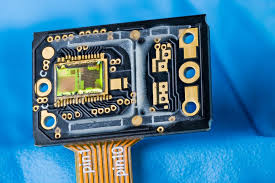
Can Rigid-Flex PCBs Bend Without Damage?
It is also important to consider the thickness of the flex section. A thicker flex layer may be more likely to damage the rigid PCB during bending, as it can create hot spots and increase stress on plated holes. This can be addressed by minimizing the size of plated holes or vias on the flex area and by using larger anchor points to connect them.
The acrylic adhesives used in the flexible coverlayers and bondplies on flex circuits can also contribute to stress on plated through holes, so it is recommended that they be cut back a few mils from the edge of the flex region. This can reduce the risk of stress on plated holes when the circuit is bent, and can also improve the stability of the flex section.
Rigid-flex circuit boards must be tested to verify their performance in the intended bending environment. This testing is a key part of the manufacturing process and helps ensure that the finished product meets specifications. In order to perform this testing, manufacturers must follow strict guidelines laid out by the IPC. These standards set the minimum bending radius and other requirements that the pcb flex rigid must meet in order to be considered safe and functional.
Rigid-flex circuit boards can revolutionize the electronics industry by allowing electronic devices to be designed for tight spaces and conforming to irregular shapes. These newer technologies are also more durable and less expensive than traditional rigid PCBs. However, the rigid-flex PCB manufacturing process is more complex than traditional PCBs, and requires special attention to the bending and flexing requirements that they must meet. Adhering to these guidelines can help designers build rigid-flex PCBs that will function properly and reliably in a wide variety of applications.