
printed circuit board manufacturers
Printed Circuit Boards (PCBs) have become indispensable components in the automotive industry, powering a wide range of electronic systems and functions within vehicles. From engine control units to infotainment systems, PCBs play a crucial role in enhancing safety, efficiency, and driver experience. The question arises: can printed circuit board manufacturers be used in automotive applications?
The answer is a resounding yes. printed circuit board manufacturers are increasingly catering to the unique requirements of the automotive sector, producing boards that meet stringent quality, reliability, and performance standards. Automotive-grade PCBs must withstand harsh operating conditions, including temperature extremes, vibration, moisture, and electromagnetic interference, while delivering consistent and reliable performance over the lifetime of the vehicle.
In modern automobiles, PCBs are found in a multitude of applications, ranging from critical safety systems to entertainment and comfort features. Engine control modules (ECMs), transmission control modules (TCMs), and anti-lock braking systems (ABS) rely on PCBs to process sensor data, control actuators, and manage vehicle dynamics, ensuring optimal performance and safety on the road.
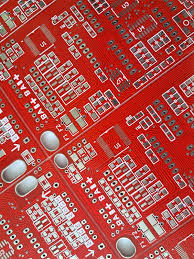
Can printed circuit board manufacturerss be used in automotive applications?
Moreover, PCBs play a vital role in advanced driver assistance systems (ADAS), which are becoming increasingly prevalent in modern vehicles. ADAS features such as adaptive cruise control, lane departure warning, and collision avoidance systems rely on sensors, cameras, and radar systems connected to sophisticated electronic control units (ECUs) via PCBs. These systems enhance driver awareness, improve vehicle handling, and mitigate the risk of accidents on the road.
In addition to safety-critical applications, PCBs are also integral to the functionality and performance of automotive infotainment and communication systems. Multimedia interfaces, navigation systems, Bluetooth connectivity, and smartphone integration rely on PCBs to process and transmit audio, video, and data signals throughout the vehicle. PCB manufacturers produce high-density, multilayer boards capable of supporting the complex circuitry required for these advanced features.
The automotive industry’s shift towards electrification and autonomous driving further underscores the importance of PCBs in automotive applications. Electric vehicles (EVs) rely on sophisticated battery management systems (BMS) to monitor and control the charging and discharging of batteries, as well as power distribution systems (PDS) to regulate the flow of electricity throughout the vehicle. PCB manufacturers produce specialized boards optimized for high-voltage and high-current applications, ensuring the safety and efficiency of EVs on the road.
Similarly, autonomous vehicles (AVs) rely on a myriad of sensors, cameras, lidar, and radar systems connected to powerful processing units via PCBs to perceive and interpret their surroundings, make real-time decisions, and navigate safely and autonomously. PCB manufacturers play a crucial role in enabling the development and deployment of AV technology by providing reliable and robust circuit boards capable of meeting the demanding requirements of autonomous driving systems.
However, designing and manufacturing PCBs for automotive applications pose unique challenges compared to other industries. Automotive-grade PCBs must undergo rigorous testing and validation to ensure compliance with industry standards and regulatory requirements, such as the Automotive Electronics Council (AEC) Q100 series standards. PCB manufacturers must invest in advanced manufacturing processes, materials, and quality control measures to meet these standards and deliver products that meet the high reliability and durability expectations of automotive OEMs.


