
quick turn pcb be used in medical devices
Quick turn PCB (Printed Circuit Board) fabrication has revolutionized the electronics industry, enabling rapid prototyping and swift product development cycles. However, when it comes to utilizing quick turn PCBs in medical devices, a nuanced consideration of various factors is essential to ensure safety, reliability, and regulatory compliance.
First and foremost, the medical field demands uncompromising standards in terms of reliability and accuracy. While quick turn PCBs offer expedited production timelines, they must adhere to stringent quality control measures to meet the rigorous requirements of medical devices. Any flaw or malfunction in a medical device could have severe consequences for patient health and safety.
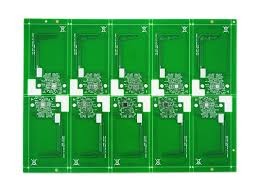
One critical aspect in evaluating the suitability of quick turn pcb for medical devices is reliability. Medical devices often operate in high-stakes environments where reliability is paramount. Quick turn PCBs must undergo rigorous testing and validation processes to ensure that they can withstand the demands of medical applications without compromising performance or safety. Reliability testing, including thermal cycling, vibration testing, and accelerated aging, is essential to verify the robustness of quick turn PCBs for medical use.
Can quick turn pcb be used in medical devices?
Moreover, medical devices are subject to stringent regulatory requirements imposed by governing bodies such as the FDA (Food and Drug Administration) in the United States and corresponding agencies in other countries. These regulations mandate adherence to specific standards for design, manufacturing, and testing to ensure the safety and efficacy of medical devices. Quick turn PCBs used in medical devices must comply with relevant regulatory standards to obtain necessary approvals for commercialization and deployment in healthcare settings.
In addition to reliability and regulatory compliance, the design considerations for quick turn PCBs in medical devices are crucial. Medical devices often have unique form factors and performance requirements tailored to specific applications and patient needs. Quick turn PCB fabrication processes should accommodate these design intricacies while ensuring cost-effectiveness and manufacturability. Collaborative partnerships between PCB manufacturers, design engineers, and medical device manufacturers are instrumental in achieving optimal design solutions that balance functionality, performance, and manufacturability.
Furthermore, the materials used in quick turn PCB fabrication play a pivotal role in determining the suitability of PCBs for medical applications. Medical devices often require materials with biocompatibility, chemical resistance, and reliability characteristics tailored to the intended use environment. Quick turn PCB manufacturers must offer a diverse selection of materials and substrates that meet the stringent requirements of medical device applications while facilitating rapid prototyping and production.
Despite the inherent challenges and considerations, the integration of quick turn PCBs in medical devices presents numerous benefits. Expedited development timelines enable faster innovation and iteration, facilitating the timely delivery of life-saving medical technologies to patients worldwide. Additionally, quick turn PCBs empower medical device manufacturers to respond swiftly to emerging healthcare needs and market demands, enhancing agility and competitiveness in the rapidly evolving healthcare landscape.
In conclusion, while quick turn PCBs offer unparalleled agility and flexibility in electronics prototyping and production, their application in medical devices requires careful consideration of reliability, regulatory compliance, design considerations, and material selection. By addressing these challenges and leveraging the advantages of quick turn PCB fabrication, medical device manufacturers can accelerate innovation and deliver transformative healthcare solutions that improve patient outcomes and quality of life.