
RF circuit boards handle low-noise signals
Handling low-noise signals in RF (Radio Frequency) circuit boards is a critical aspect of designing high-performance wireless systems. Low-noise signals are often weak, sensitive, and susceptible to various types of interference, making it essential to ensure that these signals remain clean and undistorted as they travel through the circuit. RF circuit boards handle low-noise signals through a combination of careful design, specialized components, and techniques that focus on preserving signal integrity, minimizing noise introduction, and reducing the impact of external interference. Properly managing low-noise signals is essential in applications such as communication systems, radar, and medical devices, where precision and reliability are paramount.
One of the most important strategies for handling low-noise signals in RF circuit boards is ensuring proper grounding and shielding. A solid ground plane is essential to providing a stable reference point for the circuit and preventing noise from coupling into the sensitive signal paths. By creating a continuous and well-defined ground plane, designers can significantly reduce the risk of unwanted noise that could degrade low-noise signals. In addition to grounding, shielding is often used to isolate the circuit from external sources of electromagnetic interference (EMI). Shielding creates a Faraday cage around the sensitive components, preventing outside noise from entering the system and affecting the low-noise signal. Both techniques are critical in maintaining a low-noise environment for signal transmission and reception.
Another technique for handling low-noise signals in rf circuit board is the use of decoupling capacitors. These capacitors help filter out high-frequency noise from the power supply, which could otherwise be introduced into the signal path. When low-noise signals are processed, they rely on a stable power supply to avoid degradation due to power fluctuations or noise. Decoupling capacitors are strategically placed near active components like amplifiers or mixers to ensure that any noise from the power supply is bypassed, allowing only the clean signal to pass through. This prevents noise from being superimposed onto the low-noise signal, preserving its integrity throughout the signal chain.
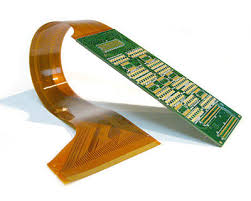
How do RF circuit boards handle low-noise signals?
Impedance matching also plays a crucial role in maintaining low-noise signal quality. Impedance mismatches between components or transmission lines can lead to reflections, which introduce noise and signal degradation. Proper impedance matching ensures that the low-noise signal flows smoothly through the circuit without unwanted reflections or interference. In RF design, this is typically achieved by carefully calculating the trace widths and the distance between the traces and ground planes to maintain consistent impedance, typically 50 ohms. Impedance matching not only reduces noise but also ensures maximum power transfer, which is vital for handling low-noise signals effectively.
Additionally, the layout of the RF circuit board itself is a key factor in handling low-noise signals. A well-organized and optimized layout reduces the risk of cross-talk between signal traces, which can introduce noise into the low-noise signal path. Keeping signal traces as short and direct as possible minimizes the chance for noise to couple into the signals, especially for high-frequency signals where even small amounts of inductance or capacitance can result in significant distortion. Careful trace routing, along with proper separation of power and signal lines, is essential for minimizing noise coupling. Signal isolation techniques, such as the use of differential signaling or controlled impedance paths, are also employed in sensitive circuits to further protect low-noise signals.
In addition to these design techniques, the use of low-noise amplifiers (LNAs) is another key strategy in handling low-noise signals in RF circuits. LNAs are designed specifically to amplify weak signals with minimal additional noise, ensuring that the low-noise signal is strengthened without introducing significant noise into the system. LNAs are typically placed at the front end of the RF circuit, where they boost the weak signal before further processing. Choosing high-quality, low-noise components for the amplification stage is critical to maintaining signal integrity, as even the slightest additional noise can degrade the overall performance.
The use of filters is also important when handling low-noise signals in RF circuits. Filters, such as low-pass or band-pass filters, are used to selectively allow certain frequencies to pass while blocking unwanted noise and interference from higher-frequency signals. These filters are placed in the signal chain to ensure that only the relevant frequencies are amplified or processed, while unwanted noise or spurious signals are removed. Filters help maintain the purity of the low-noise signal and prevent external or internal noise sources from compromising the system’s performance.
Finally, thermal management is an important consideration in low-noise signal handling. High temperatures can lead to increased noise generation in the circuit, which can affect low-noise signal integrity. Proper thermal management, including the use of heat sinks, thermal vias, and proper component placement, helps keep the circuit cool and minimizes noise introduced by temperature fluctuations. Keeping the temperature stable ensures that low-noise signals are less affected by thermal noise, maintaining the performance of the RF circuit.
In conclusion, handling low-noise signals in RF circuit boards requires a multi-faceted approach that focuses on preserving signal integrity, minimizing noise introduction, and reducing external interference. Techniques such as grounding, shielding, decoupling, impedance matching, careful layout, the use of low-noise amplifiers, and filters all contribute to ensuring that low-noise signals remain clean and reliable. By employing these strategies, RF circuit boards can handle low-noise signals effectively, ensuring high-quality performance in a wide range of sensitive RF applications.

