
protect a pcb board assembly manufacturing from abrasion
The printed circuit board (PCB) is the foundation of technology and allows components to connect and function. As a result, it must be protected from all damage-causing factors in order to ensure proper operation. This includes abrasion and harsh environmental conditions like humidity, salt mist, and high temperatures. The best way to protect the circuit board is through conformal coating. However, there are several other methods that can help as well.
The first step in protecting a pcb board assembly manufacturing process is ensuring it stays dry. Moisture can cause electrical and mechanical problems, leading to a malfunctioning circuit board. This is why it is important to keep unassembled PCBs in protective bags until they are ready for assembly. In addition, utilizing trays and racks for storage and handling can prevent moisture contamination. It is also helpful to have a dedicated workstation that can resist static electricity buildup and provide a stable environment for handling the circuit board.
In order to reduce the risk of abrasion, PCBs must be manufactured using an FR-4 laminate that is water-resistant and flame-retardant. It is also a good idea to use heavy copper technology, which increases the maximum current that can flow through the circuit boards and decreases heat losses.
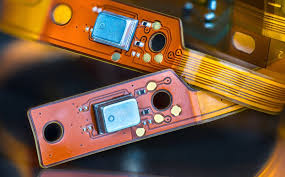
How do you protect a pcb board assembly manufacturing from abrasion?
Conformal coating is a protective dielectric layer that manufacturers add to the surface of the PCB and its components to shield them from abrasion and other external hazards. There are a few different types of conformal coating that can be used, and the type a company chooses depends on their specific needs. For example, acrylic conformal coating is a popular choice because it provides excellent humidity and abrasion resistance, as well as excellent adhesive capabilities. However, it does not withstand high temperatures or chemical exposure.
Other types of conformal coatings include urethane and silicone, which can withstand higher temperatures and offer better chemical resistance. Parylene conformal coating is also available, and it offers exceptional durability and resistance to extreme environments. However, it requires specialized vapor deposition technology to apply, and the coating is not as flexible as other options.
Resin encapsulation is another method of protecting a pcb board assembly manufacturing from abrasion and other environmental conditions. It involves encapsulating the PCB in a resin that is poured over it, and this can be done either manually or robotically. This technique is ideal for highly ruggedized electronic devices that will be subject to a variety of environmental conditions.
Both potting and conformal coating can protect the components of a pcb assembly from abrasion, but each one has its own unique benefits and weaknesses. Conformal coating is a great option for compact electronics that need to be portable but still durable, while potting is an effective solution for more ruggedized devices that will be used in hostile environments. Regardless of which method is chosen, the protection that it provides will make a pcb assembly more reliable and extend its lifespan. This is crucial for ensuring that the devices your company produces are safe and can operate in any environment.