
selective conformal coating enhance the reliability of rigid flex pcb
Selective conformal coating plays a crucial role in enhancing the reliability of rigid-flex PCBs, offering a robust solution to protect electronic components from various environmental factors. In the realm of electronics manufacturing, rigid-flex PCBs have emerged as a preferred choice for applications demanding flexibility, durability, and compactness. These boards integrate both rigid and flexible substrates, allowing them to bend and fold without compromising functionality. However, ensuring the reliability of such complex assemblies requires meticulous attention to detail, particularly concerning protection against moisture, dust, chemicals, and other contaminants that can degrade performance and lifespan.
One of the primary ways selective conformal coating enhances reliability is by providing a targeted barrier against environmental threats. Unlike traditional coating methods that cover the entire rigid flex pcb surface uniformly, selective conformal coating allows manufacturers to apply protective layers only to specific areas where vulnerabilities exist. This precision coating technique ensures that sensitive components, connectors, and conductive traces are shielded from potential damage while minimizing the risk of unintended consequences such as interference with electrical connections or mechanical flexibility.
Moreover, selective conformal coating enables customization based on the unique requirements of each application. By selectively applying protective coatings to areas prone to moisture ingress, thermal stress, or mechanical abrasion, manufacturers can tailor the level of protection according to the PCB’s intended use and operating environment. This targeted approach not only enhances reliability but also optimizes cost-effectiveness by conserving resources and minimizing waste.
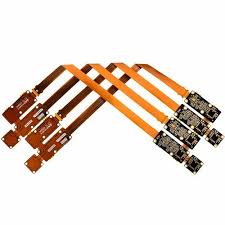
How does selective conformal coating enhance the reliability of rigid flex pcb?
Another advantage of selective conformal coating is its compatibility with a wide range of coating materials. Manufacturers can choose from various formulations, including acrylics, silicones, urethanes, and epoxies, selecting the most suitable option based on factors such as temperature resistance, chemical compatibility, and flexibility. This flexibility allows for the creation of highly customized protective barriers tailored to specific environmental conditions, ensuring maximum reliability without compromising performance.
Furthermore, selective conformal coating facilitates easier inspection, troubleshooting, and rework processes during PCB assembly and maintenance. By leaving certain areas of the board uncoated, technicians can visually inspect components, solder joints, and test points more effectively, reducing the time and effort required for diagnosis and repair. In the event of component replacement or circuit modification, selective coating also simplifies rework tasks by minimizing the need for coating removal and reapplication.
In addition to environmental protection, selective conformal coating can enhance the electrical performance and longevity of rigid-flex PCBs. By isolating critical components and conductive traces from potential sources of interference and contamination, such as moisture-induced short circuits or corrosive chemical exposure, selective coating helps maintain signal integrity and prevent premature degradation of electrical properties. This proactive approach to safeguarding sensitive electronics contributes to overall system reliability and longevity, especially in demanding applications where downtime or component failure is not an option.
In conclusion, selective conformal coating offers a versatile and effective solution for enhancing the reliability of rigid-flex PCBs in diverse applications. By providing targeted protection against environmental hazards, customizing coating materials to suit specific requirements, facilitating inspection and rework processes, and improving electrical performance, selective coating plays a vital role in ensuring the longevity and robustness of electronic assemblies. As the demand for flexible and durable PCB solutions continues to grow, selective conformal coating will remain a key enabler of reliable and resilient electronic systems.