Replace My Beauty Care Products
The good news is that makeup and skincare products have a much longer shelf life than you may think. In fact, many products are good for up to two years. But it’s important to remember that all beauty products have a lifespan and should be replaced when they expire. This is because expired cosmetics can cause irritation and even lead to infections. To get the scoop on how often you should replace your beauty care products, we consulted a variety of experts who shared their best tips and finds.
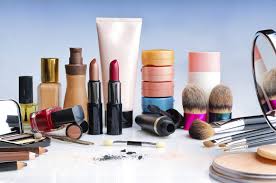
The most common beauty care products to expire is lip products. This includes lipstick and lip gloss. Experts recommend replacing lip products every six months to one year. This is because lipstick and lip gloss are prone to bacteria buildup and should be discarded when they start to look cakey or discolored.
Highlighter and contour products can last up to two years, depending on the formula. These types of products tend to contain a higher amount of water than other skin products, which can help them retain their texture and color for a longer period of time. However, they can also develop an unattractive appearance and a foul scent over time. These are all signs that it is time to chuck them and invest in a new one.
How Often Should I Replace My Beauty Care Products?
Blush products, on the other hand, have a longer shelf life. Whether they are powder or cream-based, blush can usually last up to two years before it is time to throw them away. They can become cakey and discolored, or they can begin to irritate the sensitive area around your lips. Similarly, mascara is recommended to be replaced every six months to a year. This is because it is more likely to harbor bacteria than other makeup and can cause rashes, infections, and even eyelid infections.
Cleansers can generally last up to 12 to 24 months, depending on the formula. However, it is important to check the Period After Opening (PAO) symbol on your packaging and to discard your cleanser when this date passes. Toners are used after cleansing to balance the skin’s pH levels and remove any remaining impurities. They can last up to six months, but it is recommended that you replace them sooner if they start to change in texture or appear discolored.
Sponge and brush applicators can hold onto a lot of bacteria, so they should be washed regularly to maintain their effectiveness. Ideally, they should be washed weekly and stored in a clean makeup case or container. In addition, experts recommend that you discard any applicators that show signs of wear or tear. They may no longer be able to properly apply and blend your makeup.
Many countries and regions have begun to implement bans on animal testing for cosmetics. The European Union, for instance, has prohibited the sale of cosmetic products tested on animals since 2013. This shift reflects a growing consensus that animal testing is not only unnecessary but also inhumane. Instead, companies are increasingly relying on innovative methods such as in vitro testing, computer modeling, and human cell cultures to assess product safety.