
testing do flex PCB suppliers perform
If you are considering using a flexible printed circuit board (PCB) in your design, it’s important to know what kind of testing your supplier will perform. Flex PCBs can be subject to many stresses, and a variety of tests are used to ensure that they meet specific specifications and safety standards. During testing, the flex PCBs are placed in a test fixture and subjected to various cycles of stress. This can include bending, heat, and electrical testing.
The most common testing for a flex pcb is an electrical test. This is usually done near the end of production, and it will confirm that all circuits and connections are working properly. This test will also verify that there are no open or short circuits on the board. It is also common for a flex pcb supplier to use an automated optical inspection machine to check the quality of their work.
Flex PCBs can be used in a wide range of applications. They offer benefits like increased reliability in dynamic environments, the ability to conform to enclosures, the elimination of wiring harnesses, and weight reduction. They can even take on odd shapes and sizes that would be impossible or cost-prohibitive to do with rigid PCBs. However, there are some limitations to flex PCB technology, including lower wiring densities compared to rigid boards and difficulty dissipating heat in high-power circuits.
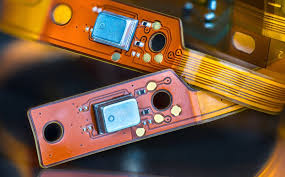
What kind of testing do flex PCB suppliers perform?
There are different kinds of flex PCBs, including multilayer flex circuits, single-layer flex circuits, and rigid-flex circuits. Multilayer flex circuits have three or more layers of conductors. These are usually found in aerospace and military applications, where their strength and flexibility are critical. Rigid-flex circuits are hybrids of standard rigid PCBs and flexible conductive substrates that connect them together. They are commonly used in commercial electronics such as laptops and smartphones, and they can be found in a variety of other applications, such as cars and medical devices.
Before the final etching and drilling of the copper layer, the flex PCBs are passed through an electrical test. This will confirm that all the traces and pads are connected properly. In addition, a flying probe test will be performed. This will detect any problems that could be caused by a bad solder connection or by other factors. In general, a flex pcb manufacturer will follow applicable IPC standards to determine the level of product that they can make. Then, they will subject the products to additional testing as necessary to ensure that they are up to industry standards.
Another type of testing that a flex pcb supplier will typically perform is burn-in testing. This process subjects the circuits to an intensive operation cycle that simulates long-term use and pushes them to their limits. This is an important step in the manufacturing process, as it helps to weed out components that may fail prematurely and reduces overall device failure rates. During this test, the circuits are subjected to a series of stress conditions and temperatures for 48 to 168 hours.